
Emergency Dentist in Charlotte | Urgent Dental Care
Dental emergencies can develop suddenly and escalate quickly. A tooth that felt mildly sensitive yesterday can become intensely painful overnight. Swelling in the gums or face may signal infection. An accidental fall or sports injury can damage a tooth in seconds. In situations like these, an immediate dental evaluation is essential for preventing further complications and preserving oral health.
Emergency dental care focuses first on stabilizing the immediate concern. That may mean controlling pain, addressing infection, or protecting a damaged tooth. Once the urgent issue is managed, a clear treatment plan is outlined to restore function and prevent recurrence.
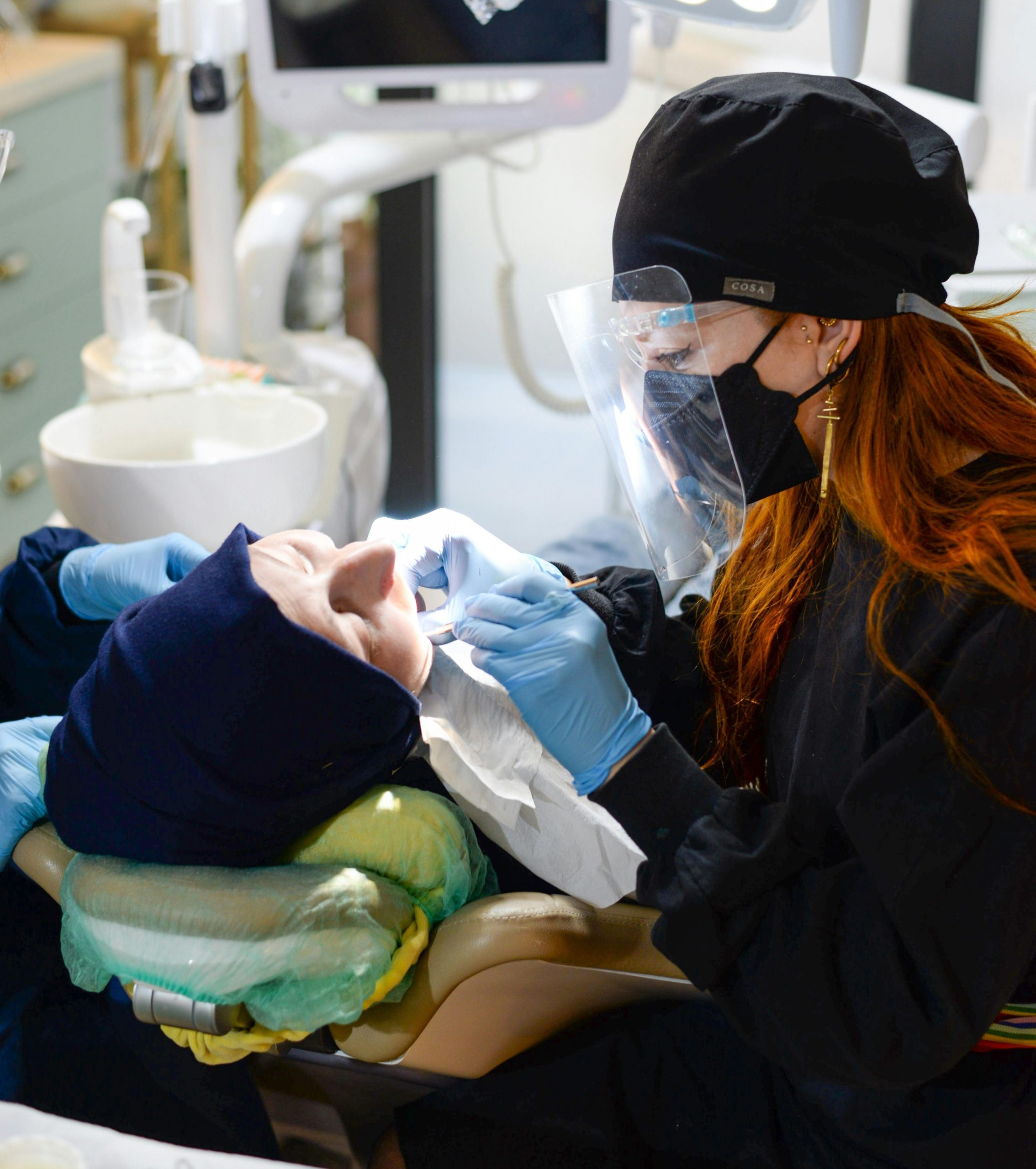

Understanding Dental Emergencies
A dental emergency involves symptoms that require timely professional attention to prevent worsening pain, spread of infection, or permanent damage. Unlike routine dental concerns that can be scheduled days or weeks ahead, emergencies often present with sudden or rapidly progressing symptoms.
Common indicators include:
These signs may indicate infection, nerve involvement, or structural damage to the tooth.
Types of Conditions Treated During Emergency Visits
Emergency dental care addresses a wide spectrum of problems affecting teeth, gums, and surrounding tissues.
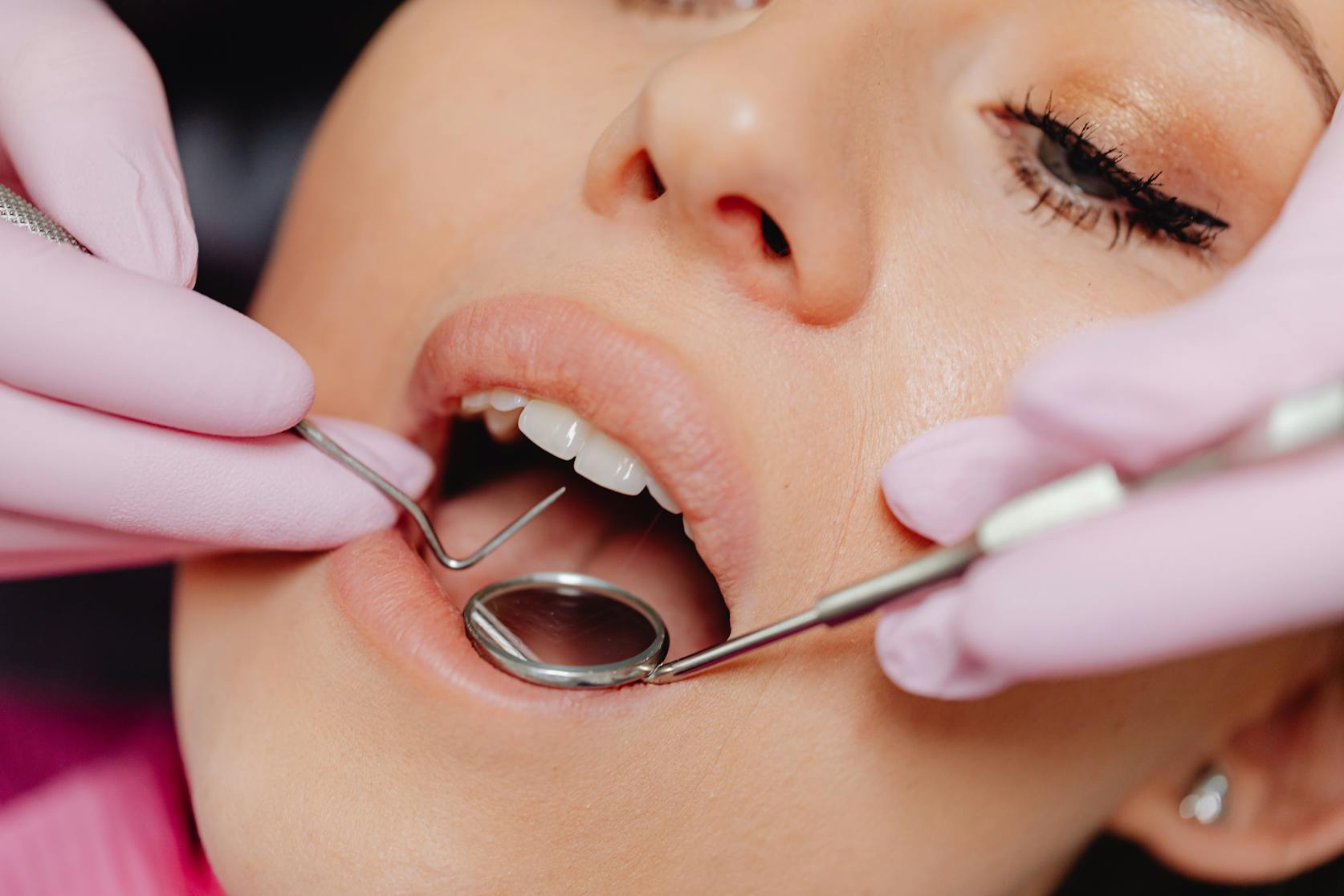
Acute Tooth Pain
Often caused by deep decay, pulp inflammation, or cracked enamel, severe pain signals irritation of the tooth’s nerve. Treatment aims to remove the source of inflammation and provide relief.
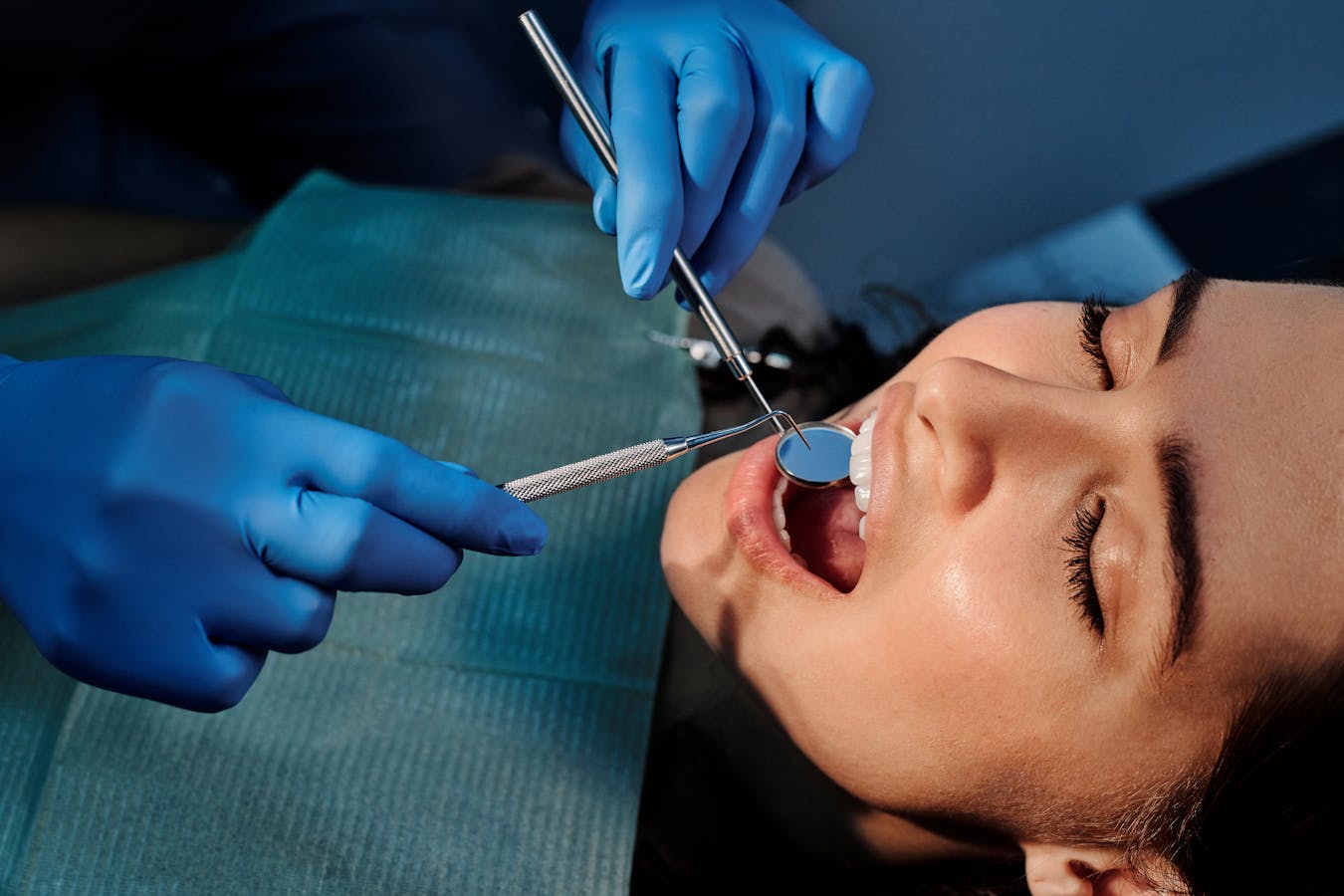
Dental Infections and Abscesses
Infections can develop at the root of a tooth or within the gums. These conditions may lead to pressure, swelling, and systemic symptoms. Prompt treatment prevents spread to surrounding tissues.

Broken, Cracked, or Fractured Teeth
Trauma or weakened enamel can compromise tooth structure. Stabilizing and restoring the tooth protects it from further damage and sensitivity.

Dislodged or Knocked-Out Teeth
Teeth displaced by impact require immediate attention. Quick intervention can improve the likelihood of successful preservation.
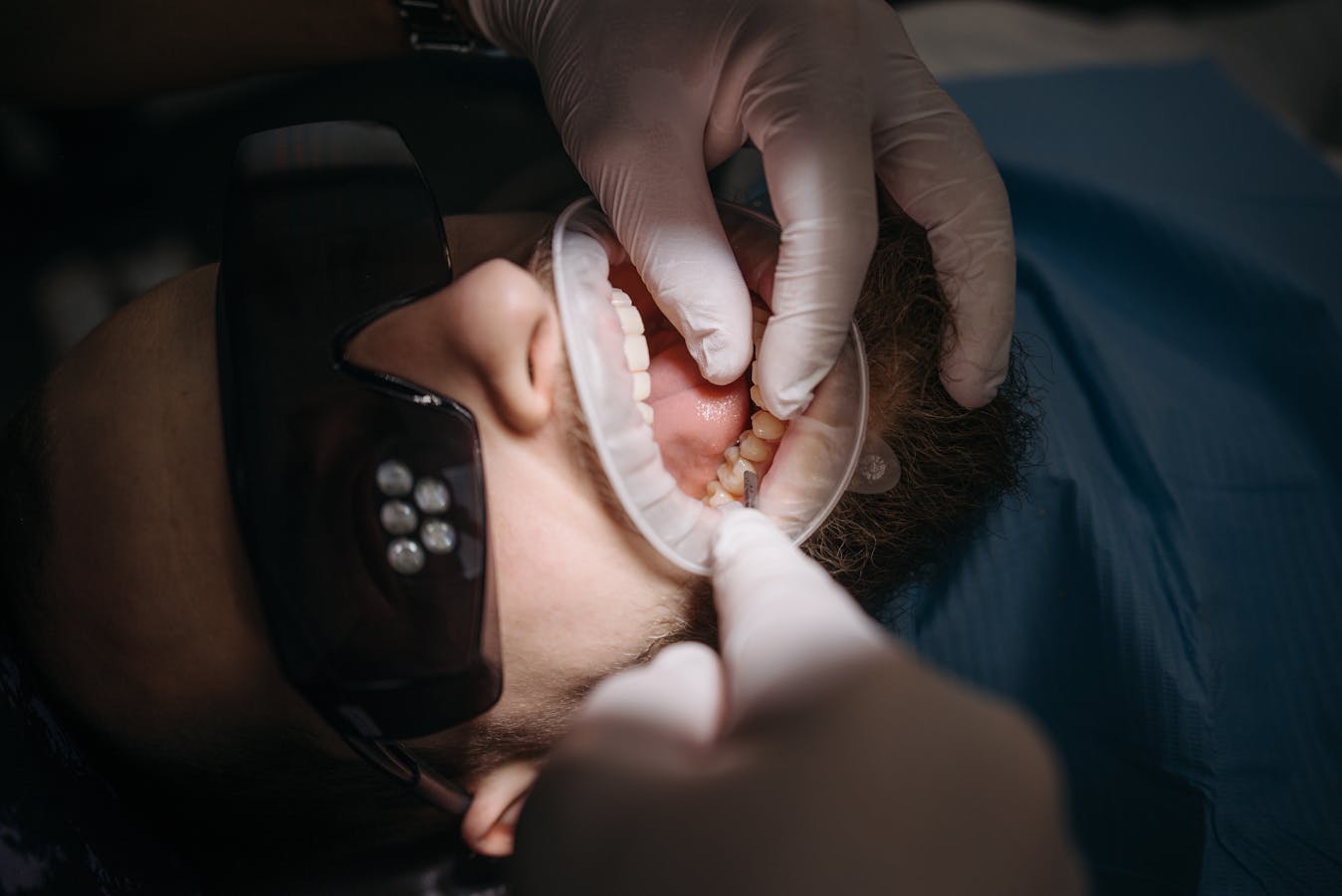
Lost Fillings or Crowns
When restorations come off, underlying tooth structure is exposed and vulnerable. Replacing the restoration protects the tooth and reduces discomfort.
Soft Tissue Injuries
Cuts or trauma involving gums, lips, cheeks, or tongue are evaluated to ensure proper healing and infection prevention.
What Patients Can Expect During an Emergency Appointment
Emergency dental visits follow a focused approach designed to address the problem efficiently while ensuring patient comfort.
Priority is to relieve discomfort and prevent the condition from progressing.

Steps to Take Before Arriving for Care
While waiting to be seen:
These steps help temporarily but do not replace professional treatment.
When to Call Immediately
Recognizing urgency helps protect oral health.
Seek Immediate Care If You Experience:
Severe or worsening pain
Swelling in the face or jaw
Trauma causing tooth displacement
Persistent bleeding
Fever with oral pain
Signs of infection such as pus or pressure
Why Timely Dental Treatment Matters
Delaying care can allow infection to spread into surrounding tissues and bone. Untreated inflammation may compromise neighboring teeth and lead to more complex procedures. Early treatment often allows for more conservative, predictable solutions and helps protect overall health.
A Patient-Centered Approach to Urgent Care
Dental emergencies can be stressful. Clear communication, careful technique, and a calm clinical setting help patients feel more at ease during treatment. The focus remains on restoring comfort while addressing the underlying cause of the issue.
Emergency Dental Care in Charlotte
Prompt evaluation of dental pain or injury can make a meaningful difference in treatment outcomes. Emergency dentistry is designed to relieve discomfort, address the cause, and support long-term oral health.
Frequently Asked Questions About Emergency Dentistry
Severe pain, swelling, trauma, or infection symptoms warrant immediate care.
Quick treatment improves the chance of successful reimplantation.
Decay, infection, cracks, or nerve inflammation are common causes.
Swelling may signal infection and should be evaluated promptly.
The goal of emergency treatment is pain relief and comfort.
© 2026 EMERGENCY DENTIST CHARLOTTE. All Right Reserved. Powered by